EU–Mercosur trade agreement enters implementation phase
The European Commission states it will come into force from May
“With the submission of its ‘note verbale’ to Paraguay, the legal custodian of Mercosur treaties, the European Commission has completed the final procedural step required for provisional application, in line with the Council decision of 9 January,” the Commission itself stated. The EU–Mercosur trade agreement will be applied provisionally between the EU and those Mercosur countries that have completed their ratification procedures and notified the EU by the end of March. Argentina, Brazil and Uruguay have already done so, while Paraguay has recently ratified the agreement and will shortly send the relevant notification. The procedure requires the use of a special process to render the agreement operational despite the legal challenge brought by the European Parliament following a January vote.

Backed by countries such as Germany and Spain, which are seeking faster access to the market, the Commission has opted for provisional application. This development has been welcomed by representatives of the footwear industry, who highlighted both export opportunities and improved access to raw materials. Rosana Perán, President of the European Confederation of the Footwear Industry (CEC), stated that the agreement represents “an important medium-term opportunity for the European footwear sector”. She noted that “by progressively eliminating tariffs, the agreement will improve price competitiveness in markets that have traditionally been highly protected”. Perán also emphasised that improved access to essential raw materials, such as leather, could reduce production costs. Furthermore, the agreement could facilitate brand expansion in the region by leveraging retail networks, partnerships and digital channels. “Overall, this agreement transforms long-standing trade barriers into a platform for sustainable growth,” she said, stressing the importance of swift implementation.
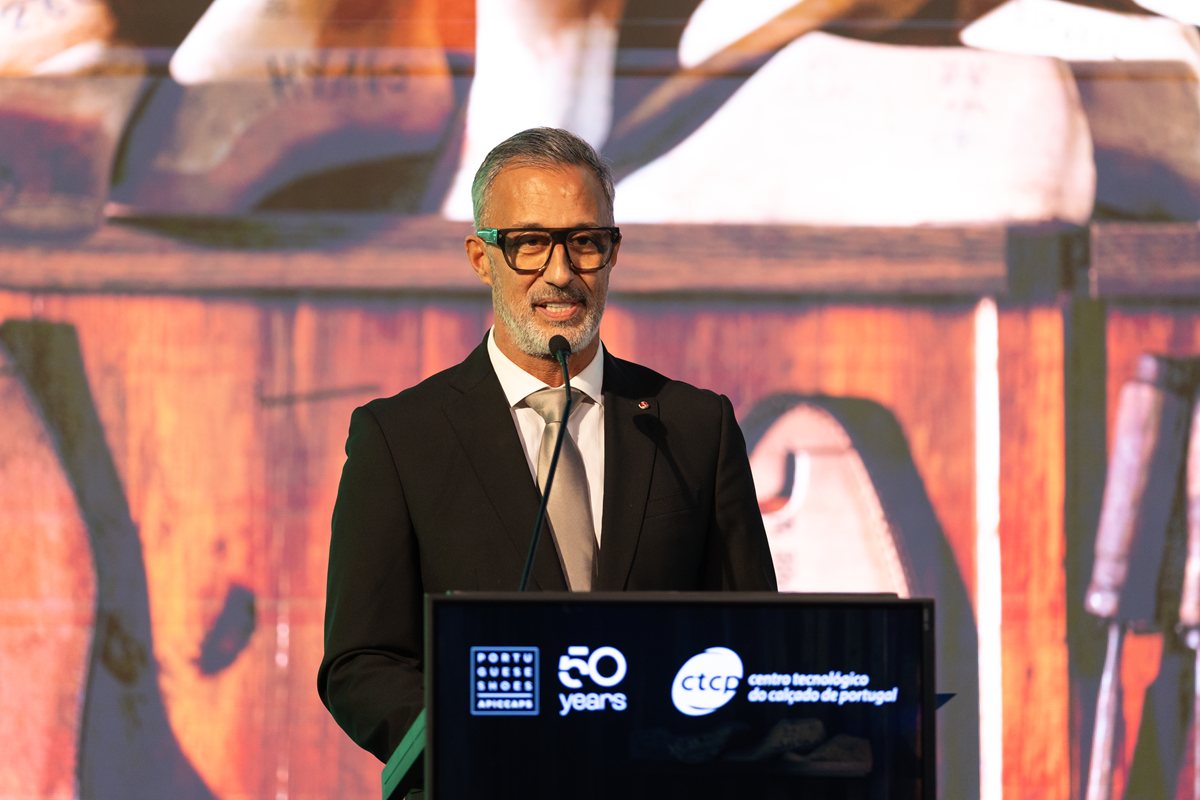
Luís Onofre, President of the Portuguese Footwear, Components and Leather Goods Manufacturers’ Association (APICCAPS), also welcomed the news. “The potential increase in European exports, thanks to the reduction of tariffs on industrial and agricultural products, and the creation of new trade and employment opportunities within the EU are clearly positive signs.” However, he also stressed the importance of a level playing field. “We have always advocated free, fair and balanced trade practices. In defining the terms of this agreement, it is important that the European Commission ensures that our competitors comply with the same rules, both socially and environmentally.” In the footwear sector, the benefits for EU producers are mainly limited to leather footwear, for which tariffs will be gradually eliminated over a period of up to 15 years. Most other categories, however, will remain excluded. By contrast, Mercosur exporters will see EU tariffs removed more quickly and across a broader range of products. A similar pattern applies to components and leather goods. Nevertheless, “they will allow us to engage with Brazil. Current tariffs, around 35%, will be progressively eliminated. This will create the opportunity to access the Brazilian market for the first time,” Onofre underlined, while warning that “the agreement still depends on ratification by national parliaments, which creates uncertainty regarding its implementation”.

“The agreement, which will provisionally enter into force from May (as far as the trade aspect is concerned), is a cause for celebration as it establishes a strategic framework at a time of instability in international politics,” emphasised Haroldo Ferreira, Executive President of the Brazilian Footwear Industries Association (Abicalçados). He added: “It is expected to strengthen supply chains, increase added value and have a positive impact on the Brazilian footwear industry. Leather footwear accounts for 45% of Brazilian exports to the European Union and is expected to achieve full tariff elimination within seven years.” The Executive President of Abicalçados also noted that the agreement could help Brazil diversify its exports by creating opportunities in other sectors, such as textiles and synthetic footwear. Currently, these sectors are subject to a 17% tariff in EU markets.