Linen Experience 2026
Focus on a natural fibre looking to the future through innovation and sustainability
The Linen Experience, organised on 4 and 5 June by the Alliance for European Flax-Linen & Hemp at Calira, one of the leading French companies specialising in flax scutching and primary processing, welcomed the international press from the textile and apparel supply chain for an immersion into the heart of European fibre production. The initiative offered the opportunity to closely follow all stages of processing and to explore the prospects of a sector in continuous evolution.

From ancient Egypt to the fields of Northern Europe, flax continues to confirm itself as one of the most renowned natural fibres, now capable of combining agricultural tradition, genetic innovation and new textile applications. The heart of global production of high-quality flax lies in the belt stretching from France, Belgium and the Netherlands to Rotterdam, an area that accounts for around three quarters of the global harvest.
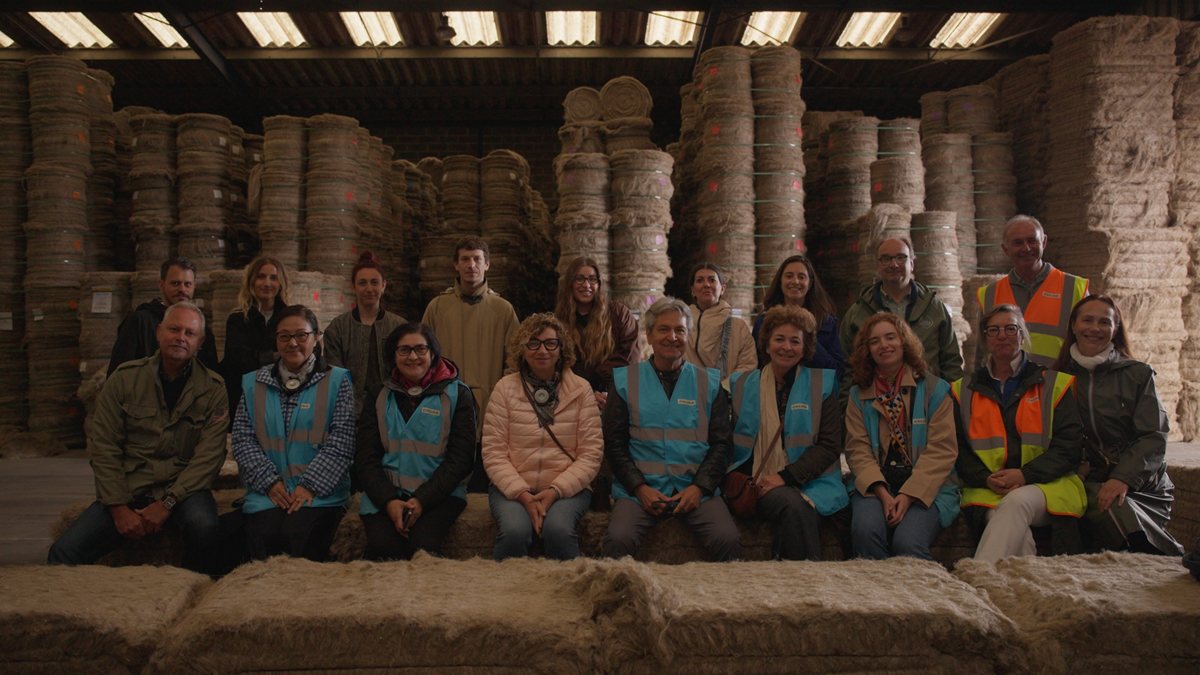
During the visit to Calira in France, it became clear how research has profoundly transformed this crop. Thanks to genetic improvement, two harvests are now possible, one in spring and one in winter, although the latter remains exposed to the risk of frost. Crop rotation is also essential: flax returns to the same field only every seven years, alternating with crops such as rapeseed in order to preserve soil fertility and quality.
The plant reaches a height of between 90 centimetres and 1.10 metres and completes its cycle in six to seven months. After harvesting, retting takes place naturally in the fields thanks to rain and pectin, a “dry” technique that distinguishes European flax from Egyptian flax, which is traditionally water-retted and considered to be of lower quality.
Processing is equally selective: from 100 kilograms of straw, around 20 kilograms of long fibre are obtained for the most premium yarns, while shorter fibre is used in less refined fabrics, composite materials and panels. Quality is classified according to colour, strength, fineness and spinnability of the fibre: the best batches, which represent around 20% of production, generate the bulk of economic value.
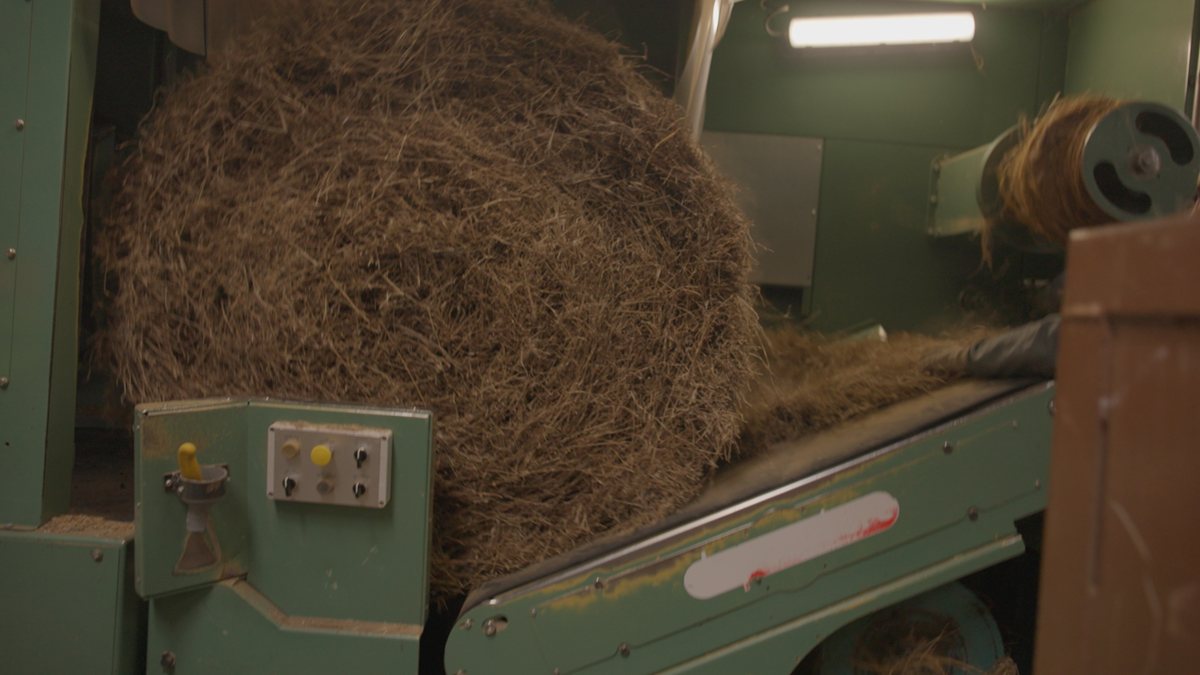
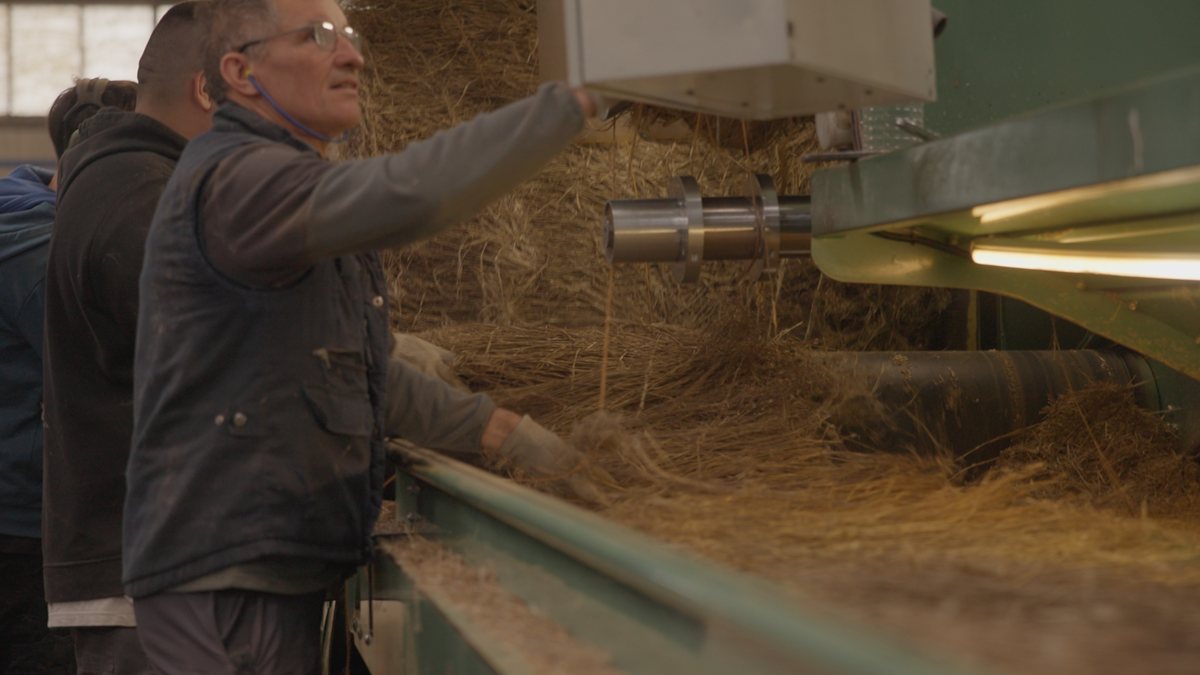
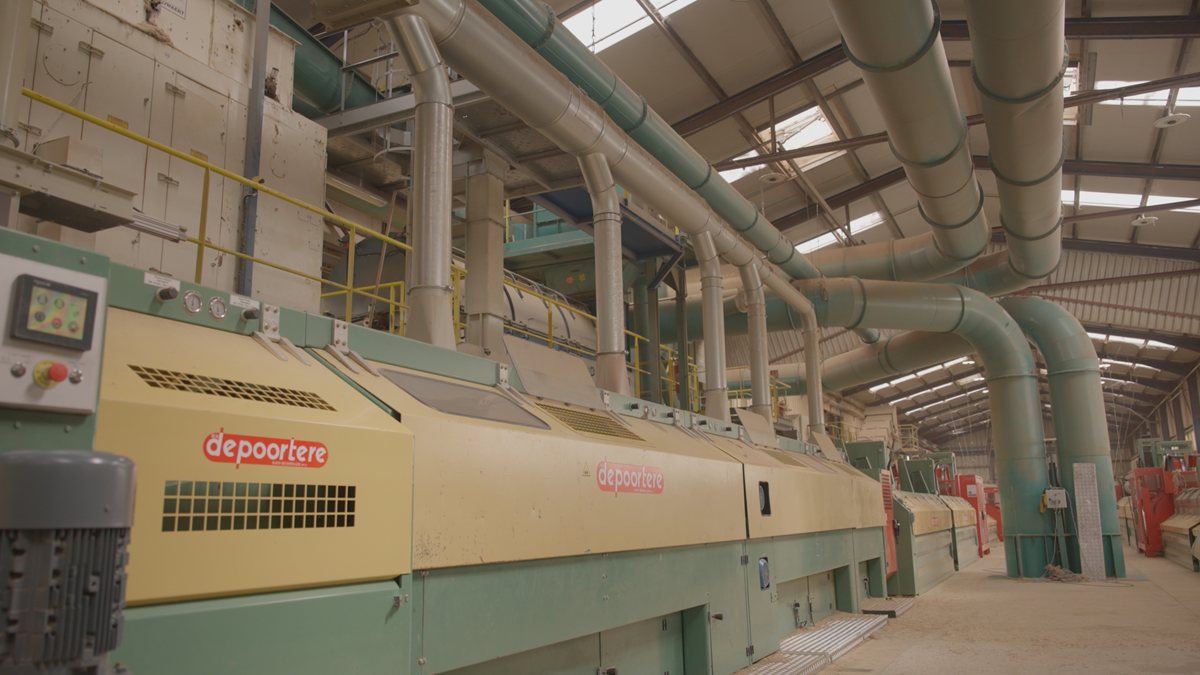
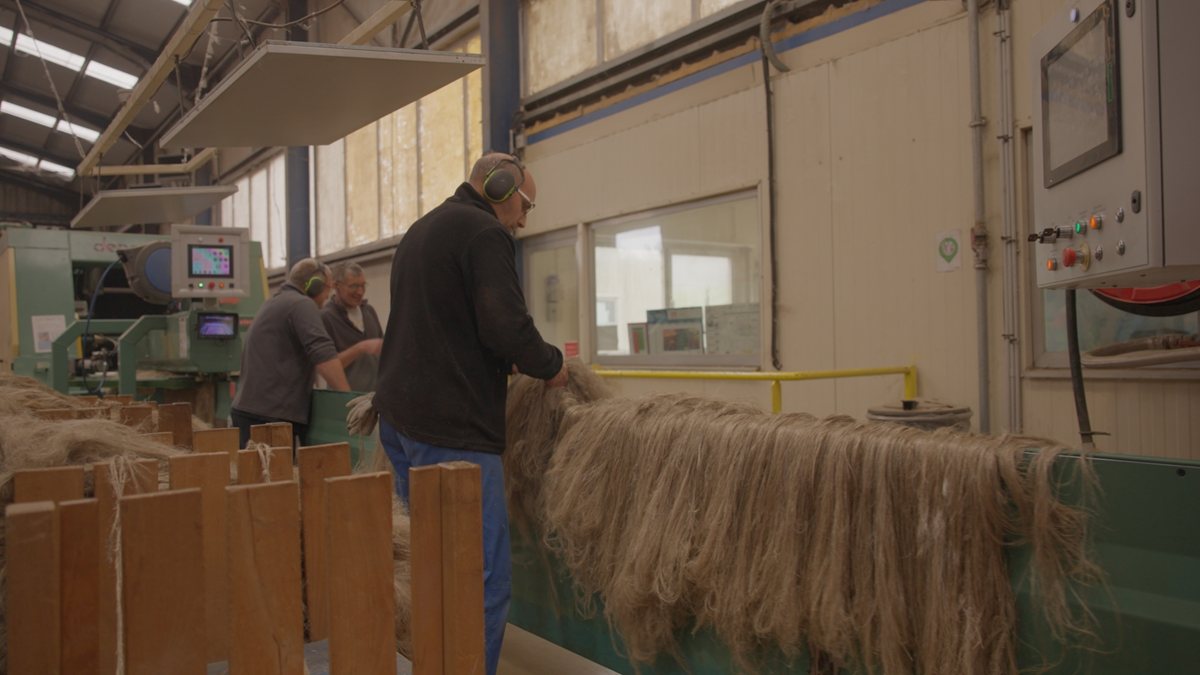
With one kilogram of fibre it is possible to obtain up to 24,000 metres of yarn. While in the past flax was mainly associated with household linen and furnishing, today it is also making inroads into knitwear, broadening its prospects. However, an industrial challenge remains: a large share of European fibre is still spun in Asia, after having been relocated there from Europe (as is the case with many other manufacturing processes), while weaving is slowly returning to Europe, opening new opportunities for the continental supply chain.
What makes flax such a unique fibre is not only its agronomic and environmental qualities, but also its intrinsic characteristics: natural lustre, strength, thermoregulating properties and timeless elegance. For this reason, it continues to play a leading role in high-end collections, from tailored garments to sophisticated knitwear, as well as home textiles and premium furnishings, where it embodies an authentic form of luxury based on naturalness, comfort and long-lasting quality.
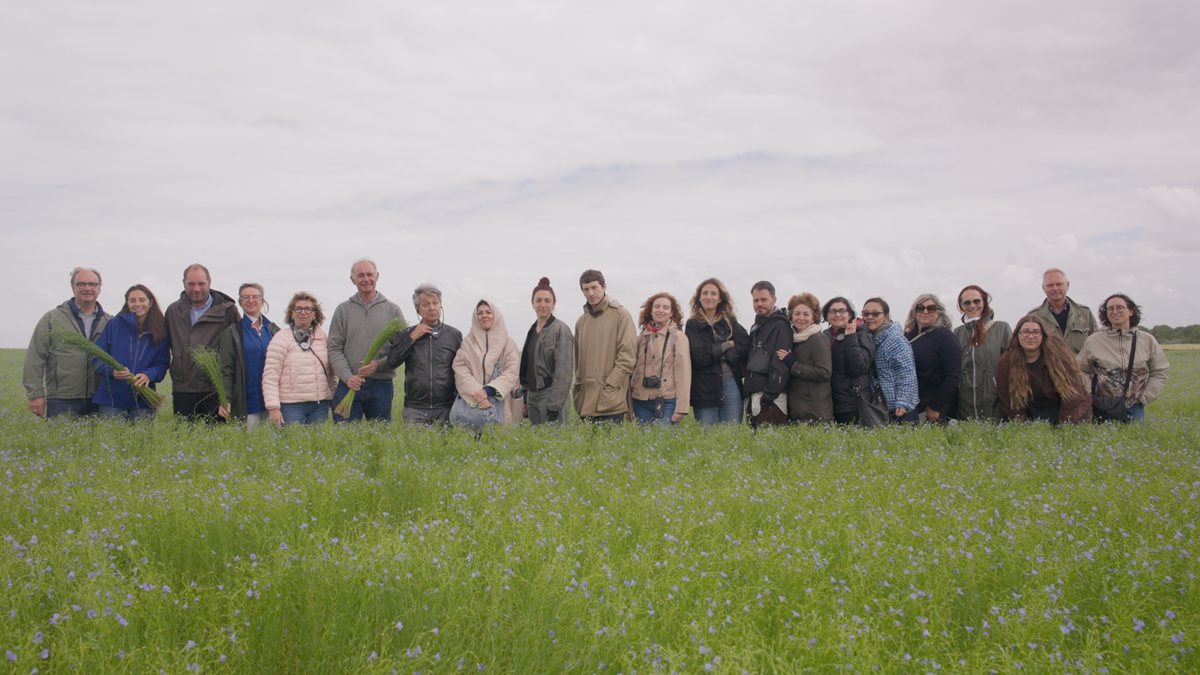
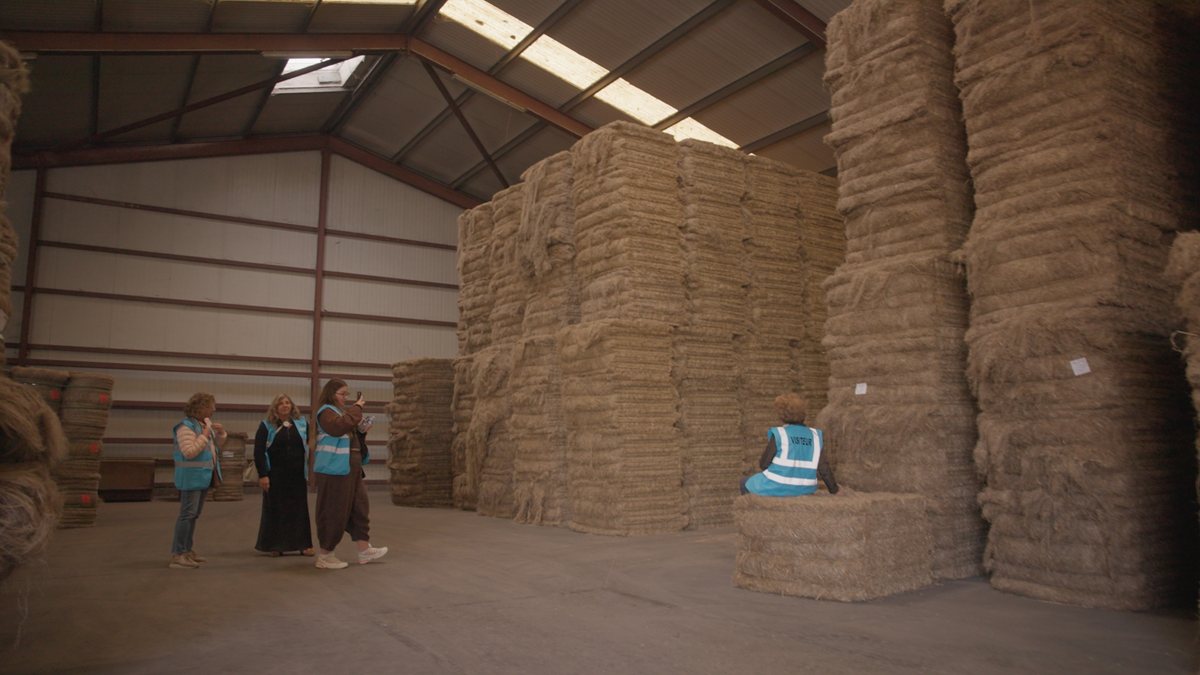
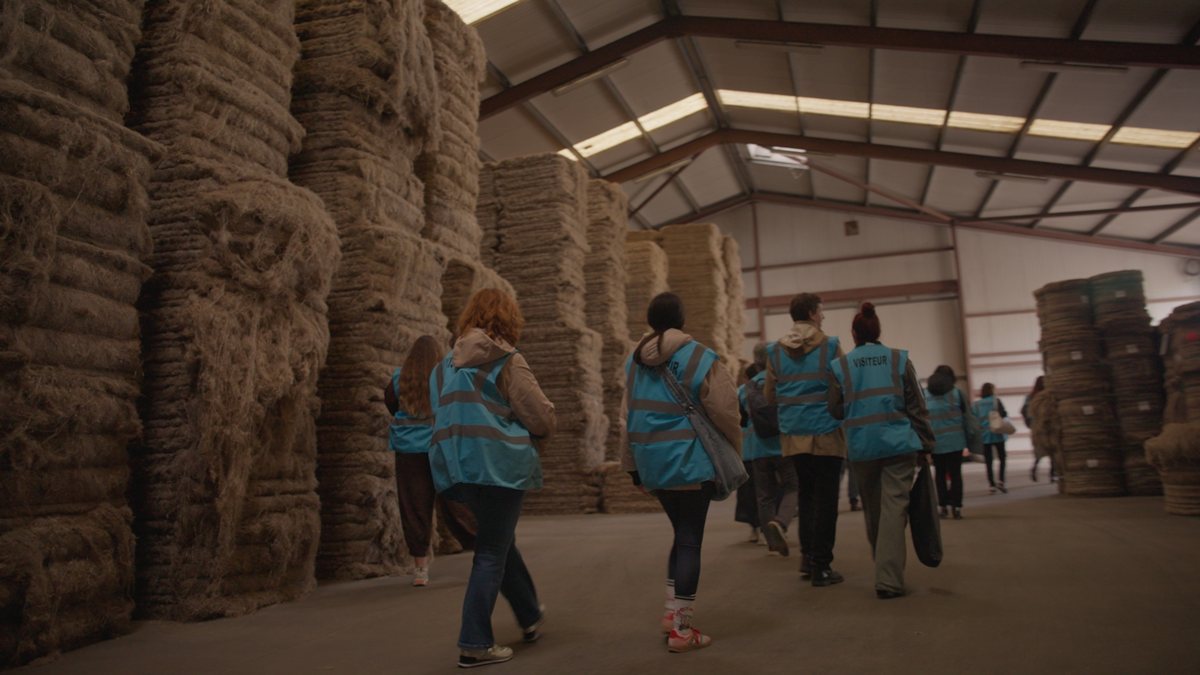
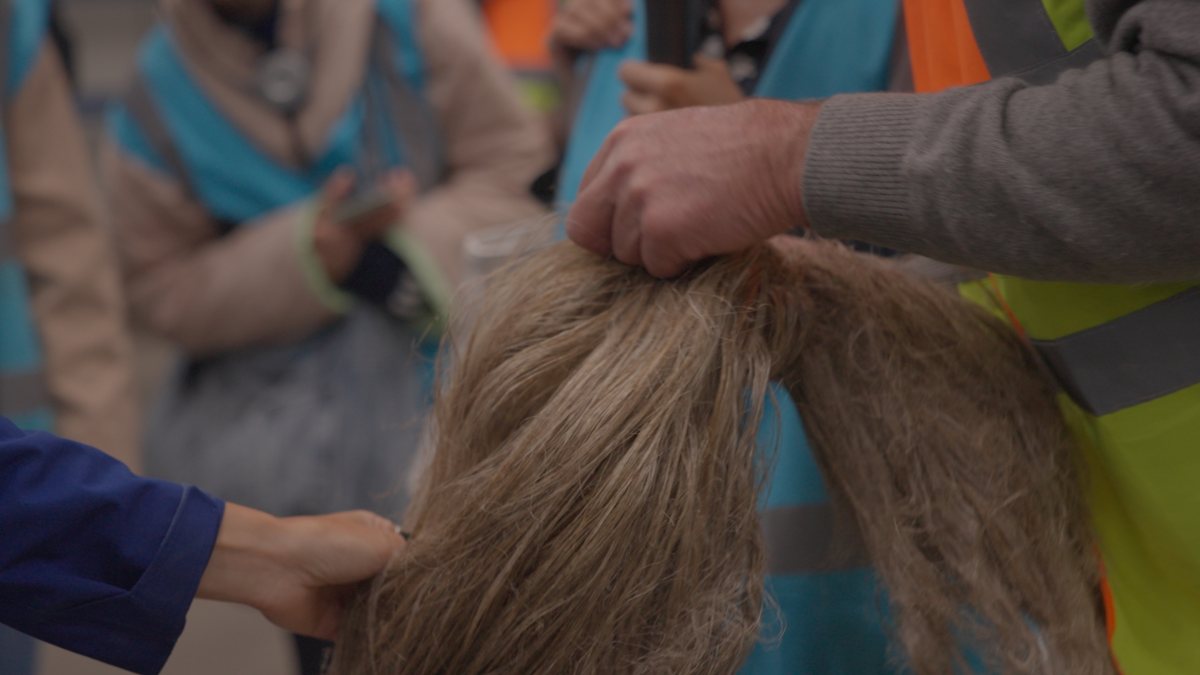
With a record 200,000 hectares cultivated in 2026 and growing interest from the fashion and interior design industries, European flax confirms its central role as a natural fibre of excellence. An agricultural and manufacturing heritage that, through innovation and tradition, continues to represent one of the most authentic symbols of high-quality sustainable textiles.