Tecno presents research on Sustainability in Fashion Value Chains
The challenge facing businesses is to turn sustainability into industrial control
Tecno is a benefit corporation listed on the Euronext Growth Milan market and a leading player in the SustainTech sector. In collaboration with the Scuola Superiore Sant’Anna in Pisa and the Istituto Marangoni, it has presented a study entitled Sustainability in Fashion Value Chains, which analyses how sustainability can be the key to competitiveness in the fashion market, starting even before the product’s life cycle begins. The study highlights that around 615,000 tonnes of textile waste is generated in Italy every year, while only around 154,000 tonnes is collected for recycling. Across Europe, consumption of textiles reached around 19 kilograms per capita in 2022, while around 12 kilograms per capita are thrown away every year. The associated environmental impact of textile consumption is estimated at 355 kilograms of CO2, 12 m3 of water, 323 m2 of land use and 523 kilograms of raw materials per person.
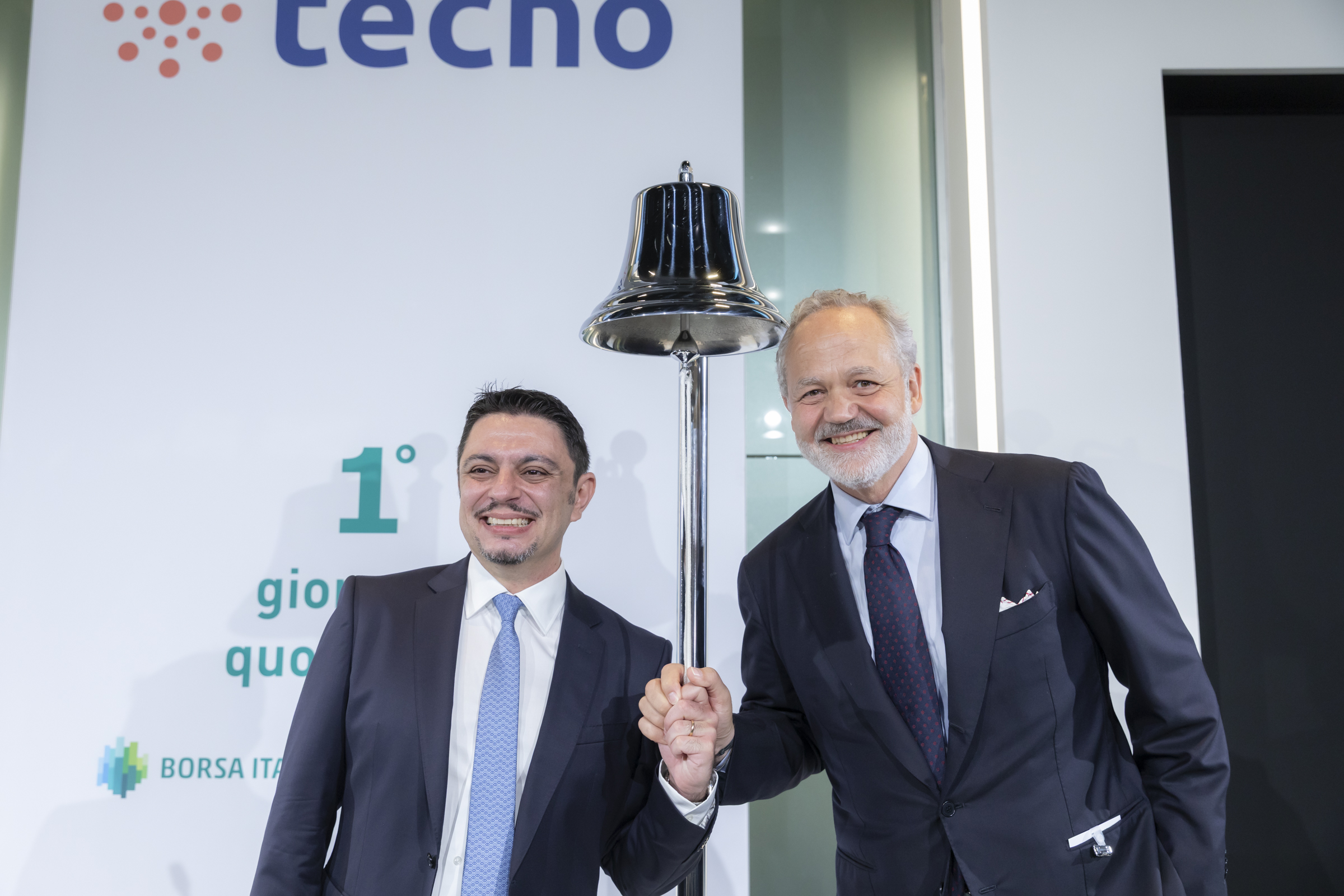
These figures highlight that sustainability management is no longer just an environmental issue, but a genuine matter of industrial and production efficiency. According to the evidence cited in the paper, over 80% of a product’s environmental impact can be determined as early as the design stage, when the initial decisions on materials and manufacturing processes are made. When it comes to LCA (Life Cycle Assessment, the scientific method for measuring a product’s environmental impact throughout its entire life cycle) and the circular economy analysed in the paper, the impact of raw materials accounts for over 97-99% of the assessed impacts. Salvatore Amitrano, CFO and CInO of Tecno Group, says, “For the fashion sector, the challenge is not to add a new layer of compliance, but to use a better understanding of the supply chain to improve the business model. The very same data required for risk management can help to identify inefficiencies, manage supplier dependencies more effectively and improve competitiveness. This is where sustainability and economic performance begin to converge, and the SustainTech model becomes a catalyst for change.”

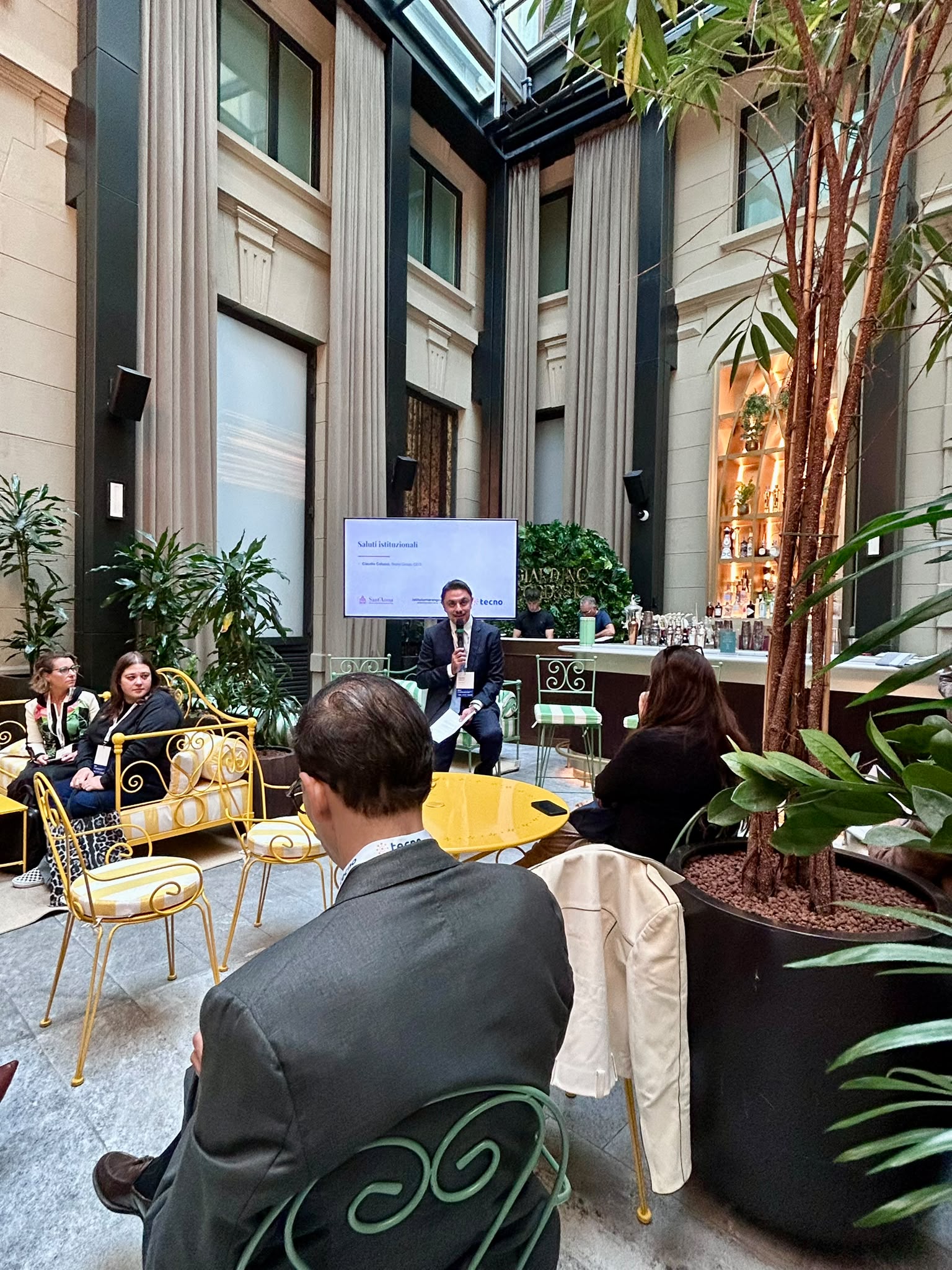
The research also shows how limiting it is to present sustainability as a product’s sole added value, particularly when it is exploited for marketing purposes to justify higher prices. According to a study by the Scuola Superiore Sant’Anna cited in the paper, when consumers are faced with choosing between a sustainable product and a lower-cost option, only 24% choose the eco-friendly item while 40% opt for the cheaper conventional alternative and the remaining 36% prefer to carry on looking. Finally, marketing and the risk of greenwashing play an important role in the new value equation. An analysis by the European Commission cited in the paper highlights that, out of 15 European Union member states, 80% of the product advertisements analysed contained at least one environmental claim, and 53% of these claims were found to be vague, misleading or unfounded. The shift from marketing to ‘verifiable product value’ is therefore crucial: the ability to demonstrate a product’s claimed characteristics using recognised data and methodologies is becoming increasingly important, certainly from a regulatory perspective but also in commercial terms, particularly for younger generations.