Fairtrade Cotton: the certified supply chain becomes a guarantee
Under new European rules, Fairtrade Italia ensures the traceability of cotton from field to finished garment
Cotton is the most widely used natural fibre in the world and one of the main sources of livelihood for millions of small-scale farmers, mainly concentrated in the rural regions of Asia, Africa and Latin America. The supply chain of this crucial raw material remains vulnerable to price volatility, major environmental impacts and working conditions that are difficult to verify. Against this backdrop, Fairtrade Italia is drawing attention to a supply chain that currently involves 100 million rural households across 65 countries and calling on Italian textile companies to regard certified traceability as a competitive advantage, particularly in light of the new European regulatory framework. Fairtrade Italia has been promoting the Fairtrade certification scheme for transparent and responsible supply chains since 1994, operating as a peer-governed organisation.
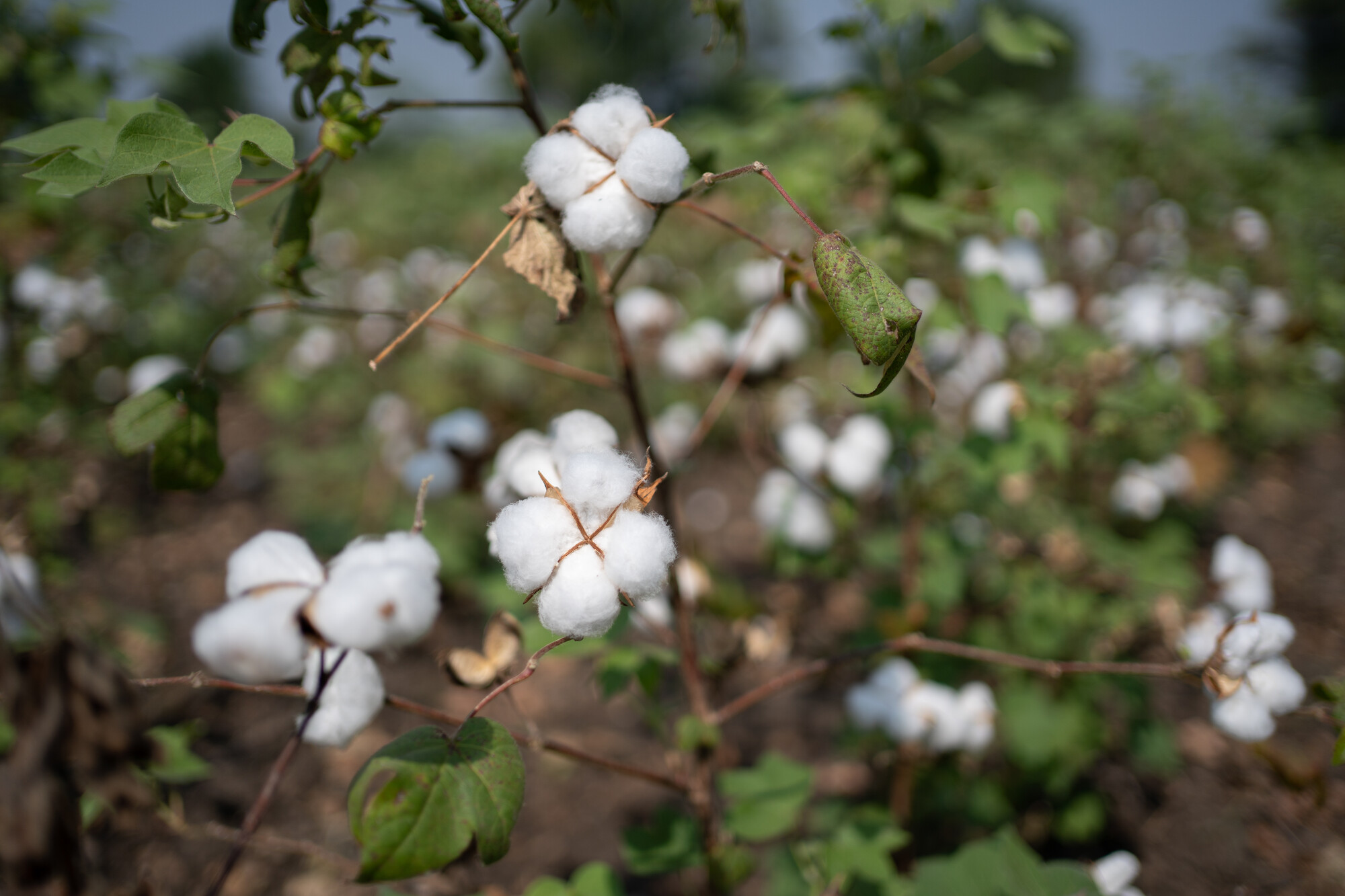
Through the Fairtrade Standards for Cotton and Textiles, the system rebalances the relationship between producers and the market throughout the entire supply chain, from the field to the finished garment. There are two key mechanisms: the Fairtrade Minimum Price, which acts as a safety net against price collapses, and the Fairtrade Premium, the additional sum that cooperatives manage independently to fund schools, clinics and infrastructure, ensuring stability where the conventional market creates uncertainty. Certified traceability is becoming increasingly important, particularly in the light of the European regulatory framework. EU Directive 2024/825 on consumer empowerment, which came into force on 27 September 2026, prohibits generic environmental claims that are not backed by evidence and permits sustainability labels only if they are based on independent certification schemes. The ESPR Regulation will also introduce a digital passport for textile products, containing verifiable information on the origin of raw materials. For fashion and sports companies, a certified supply chain thus becomes the basis for communicating credibly and in compliance with regulations.
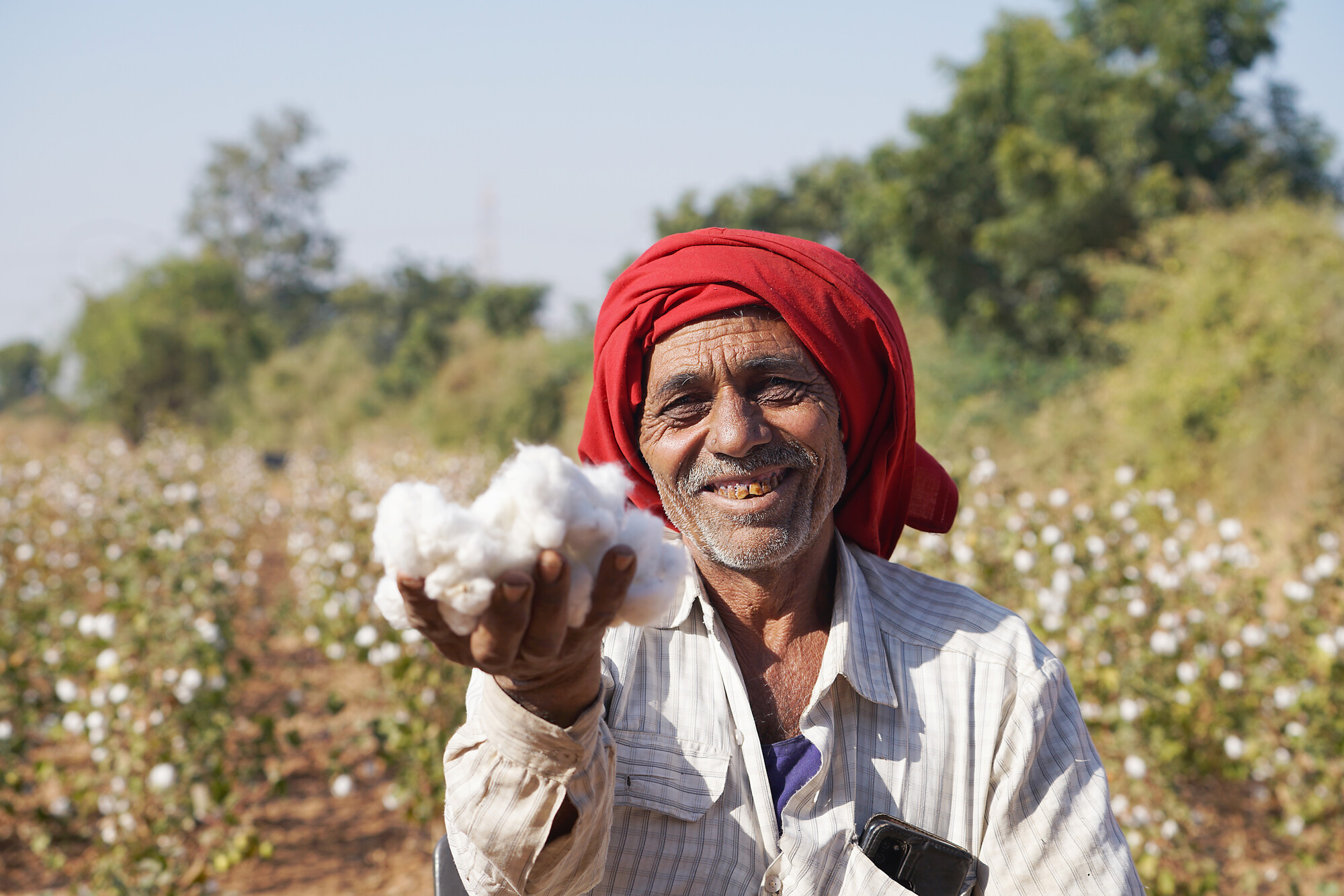
“The textile supply chain is one of the most complex and fragmented in the world, with social and environmental costs that often remain invisible to the consumer,” says Paolo Pastore, CEO of Fairtrade Italia. “The new European rules require companies to provide verifiable evidence to back up their claims. Independent certification of the supply chain, from the field to the finished garment, provides this assurance and safeguards the dignity of farmers. We are calling on Italian fashion and sports brands to make transparency a competitive advantage.”