Secoli Fashion Show 2026: face to face with Anna Mignolli
Interview with emerging talent on the fashion scene
Who is Anna Mignolli and what is she passionate about?
I was born and raised in Calabria, in southern Italy, which has given me strong roots, a deep bond with my loved ones, and with everything that stays the same even when you change direction. I moved to Milan to study fashion design, and there I began to see myself in a different light: freer, more curious, perhaps even more fragile, but certainly more self-aware. I don’t think I’m able to say yet that I know exactly who I am. I still feel as though I’m in a phase of discovery, and perhaps that is precisely what drives me: the desire to seek, to understand, to bring hidden things to light. I am fascinated by everything that isn’t immediately obvious – things that have a history, a memory, a deeper meaning. My passions stem from here: from fashion, of course, but also from identity, roots, details, places and people. I like to think of fashion as a language, not just as aesthetics. A way of telling the story of who we are, where we come from, and also who we might become. I’m always ready to surprise myself, to discover energy and abilities I didn’t know I had. Perhaps this is my greatest passion of all: continuing to discover myself, without rushing to define who I am.
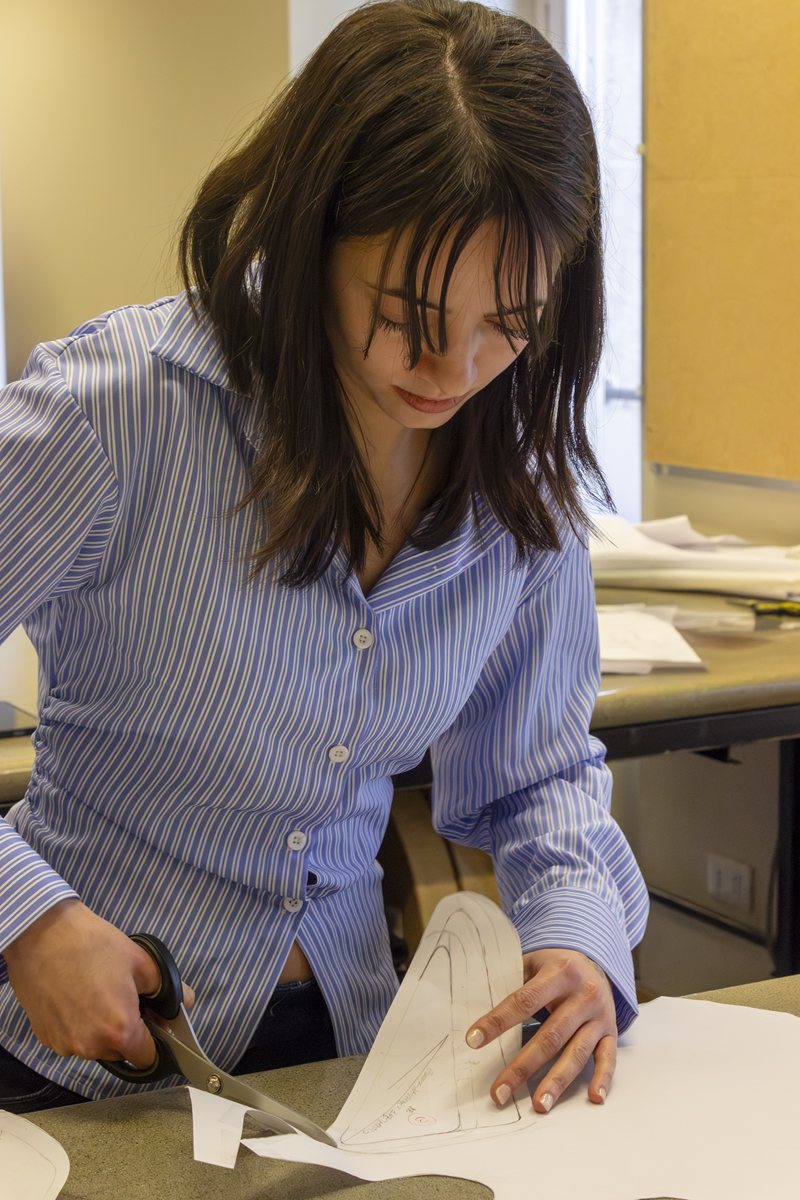
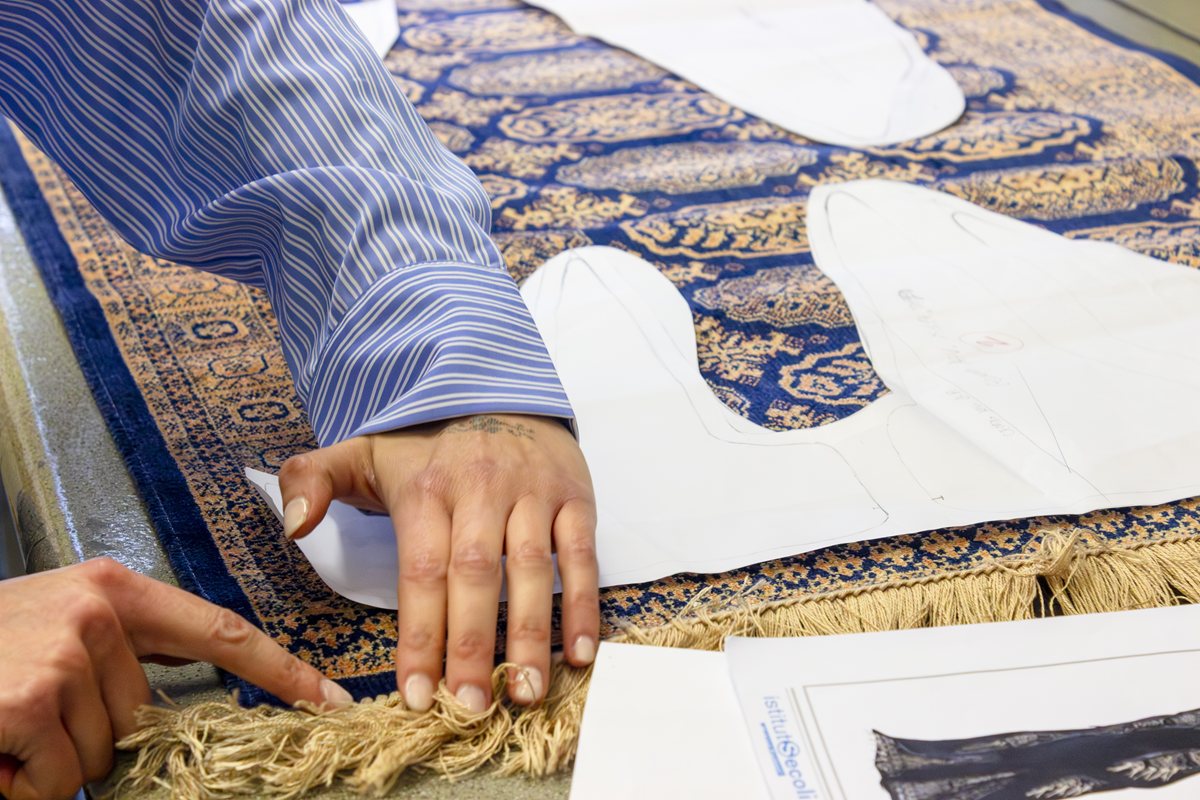
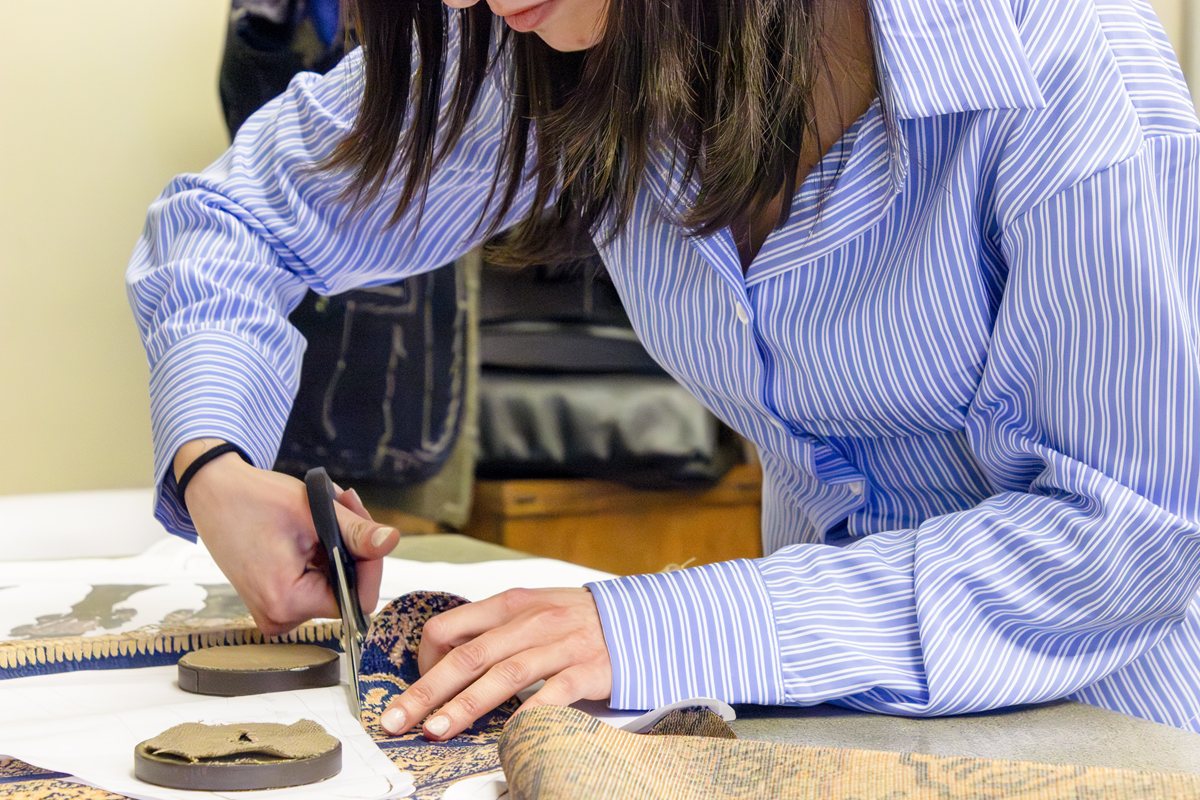
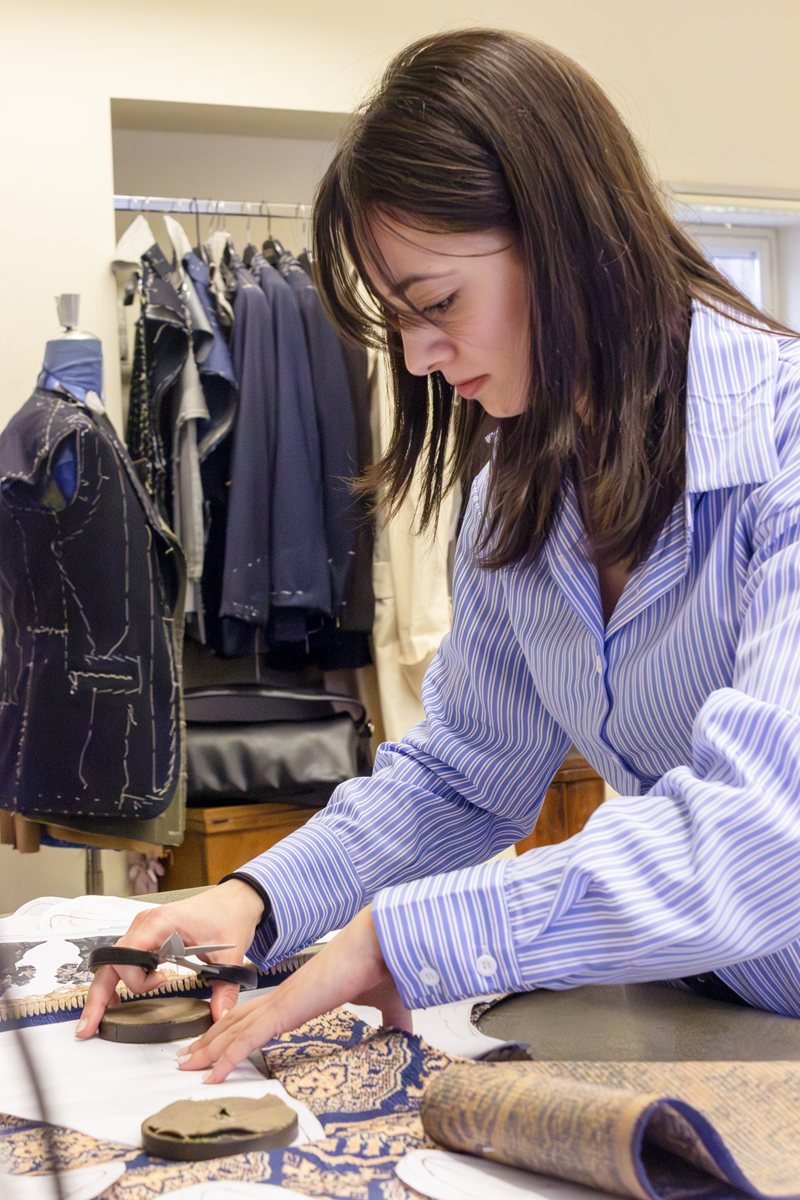
What made you want to turn your passion into a career, and what made you decide to study at the Istituto Secoli in particular?
To be honest, I can’t pinpoint a specific moment when this passion was kindled within me. It was one of those things that immediately feels close to you, almost familiar, even though at first you can’t quite explain why. I just followed my gut feeling and went for it. Then, once I’d set out on this path, I never looked back: the more I studied, the more passionate I became about it. And that’s still the case today: the more I delve into this world, the more I feel it’s part of me. At some point, I realised that I didn’t want this curiosity to be just a hobby. I wanted to turn it into something tangible – a career, a way of expressing my identity. I wanted to bring to life the ideas, emotions, images and impressions I have gathered along my personal and creative journey. I chose Istituto Secoli because I regarded it – and still regard it – as a centre of excellence in technical training. I was looking for a place that would provide me with a solid foundation, discipline and structure, but which would also allow me to turn a vision into a real project. This decision has more than lived up to my expectations: at Secoli, I have found the ideal environment in which to grow, experiment and give free rein to my creativity. For the first time, I feel I have created a project that is one hundred per cent my own. And I think this was the most important step: realising that, for me, fashion isn’t just something to study or create, but a genuine way of expressing who I am.
What were the biggest difficulties you encountered on the way to creating your first collection?
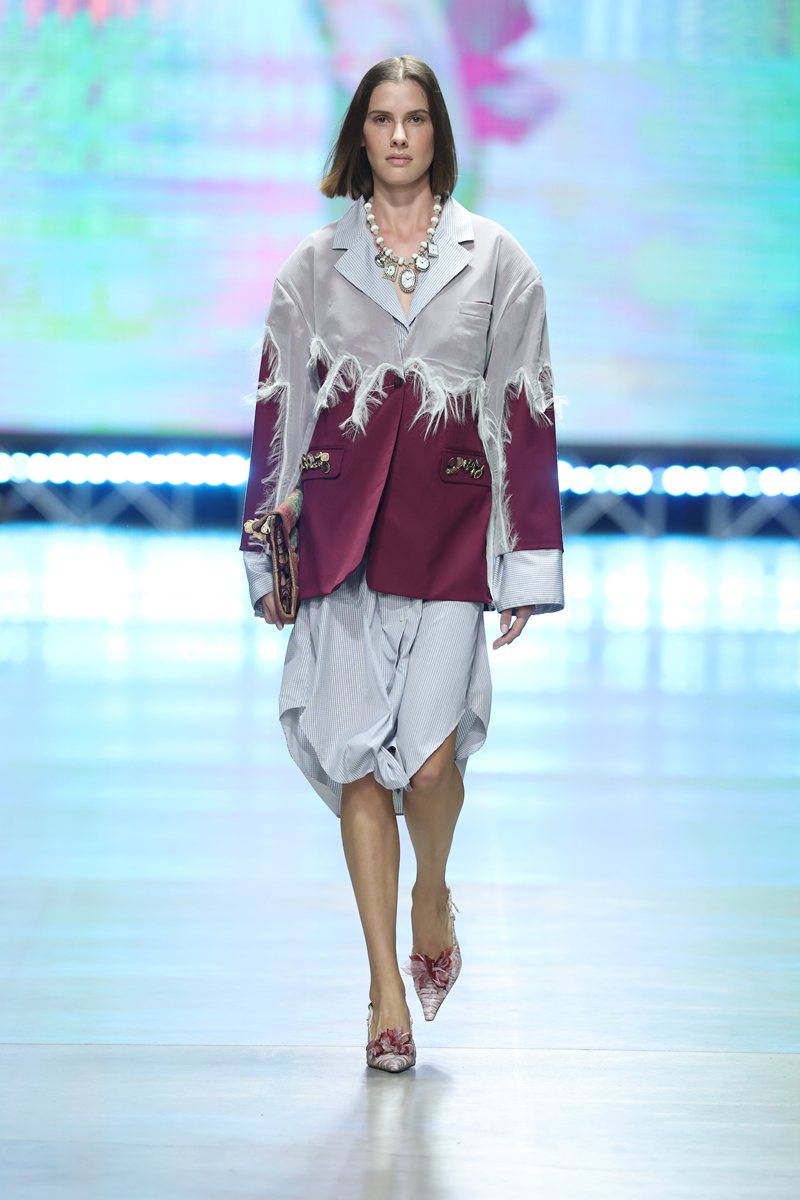
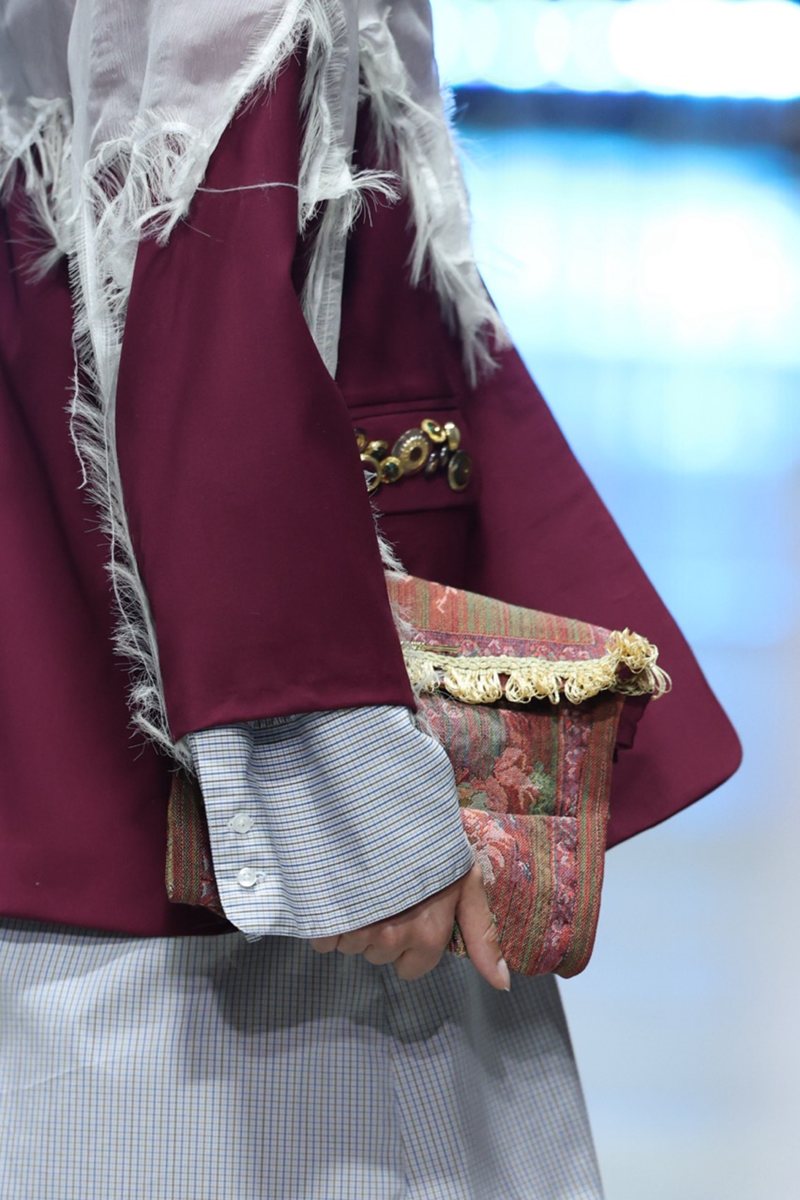
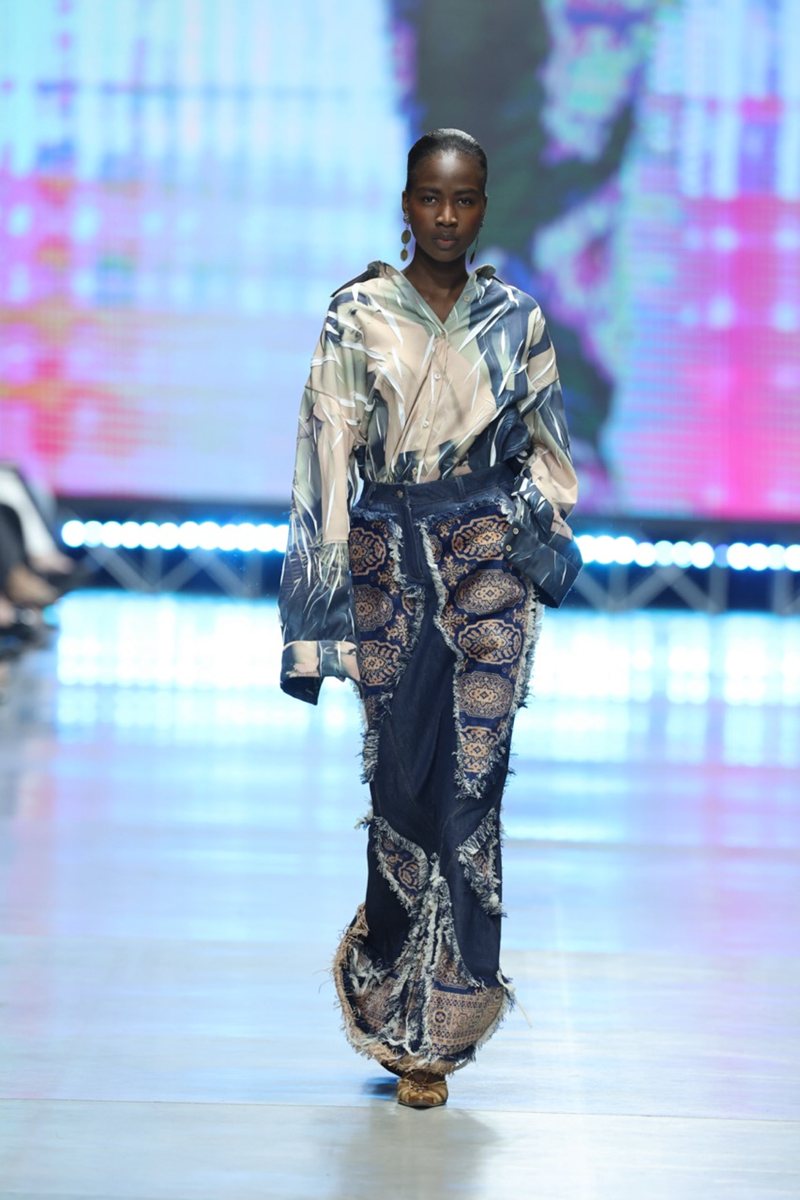
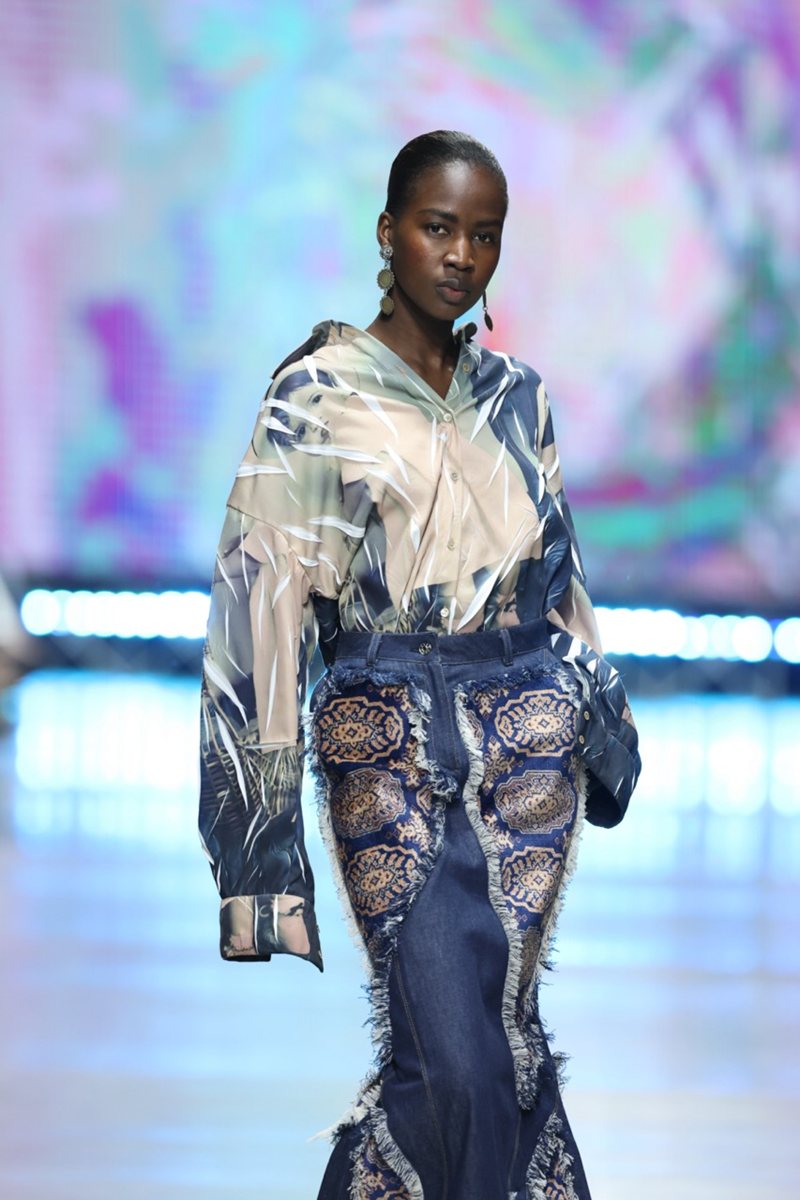
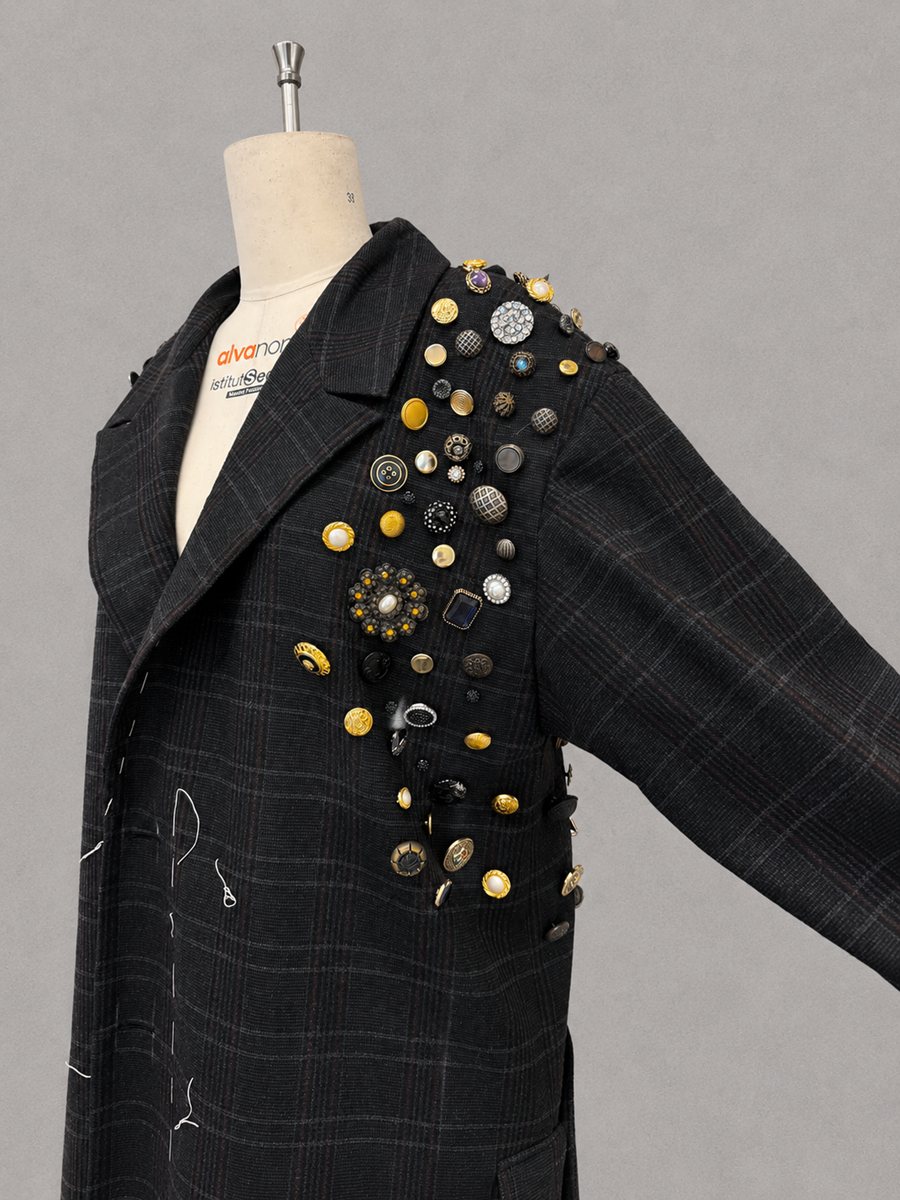
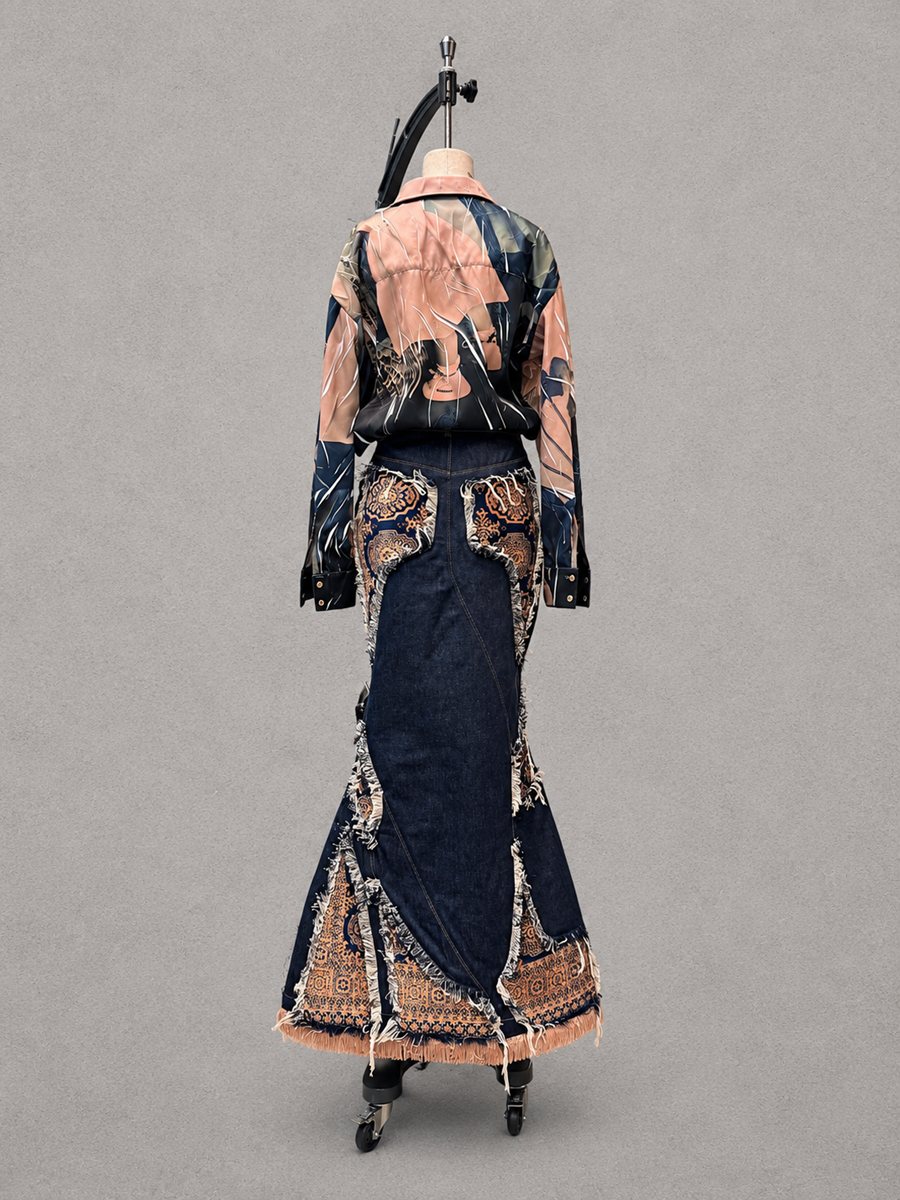
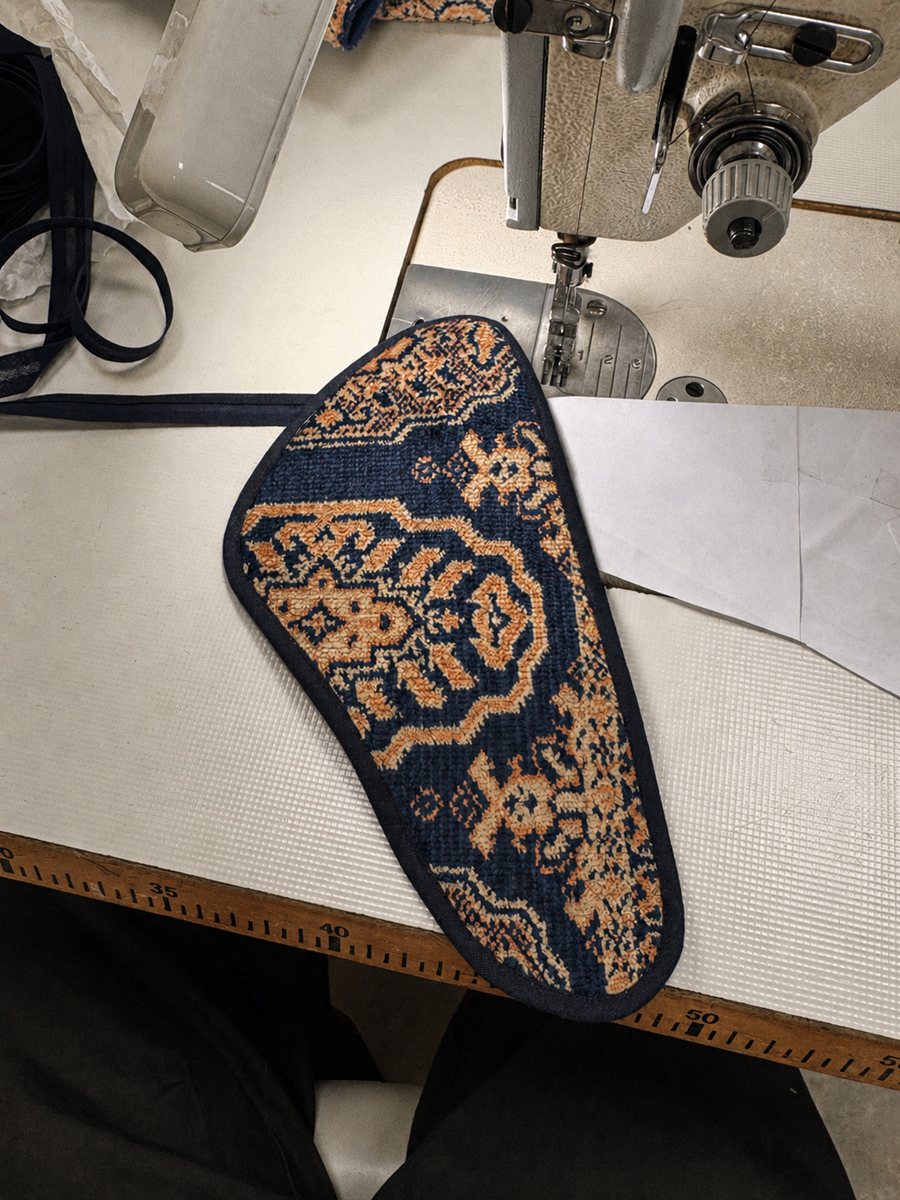
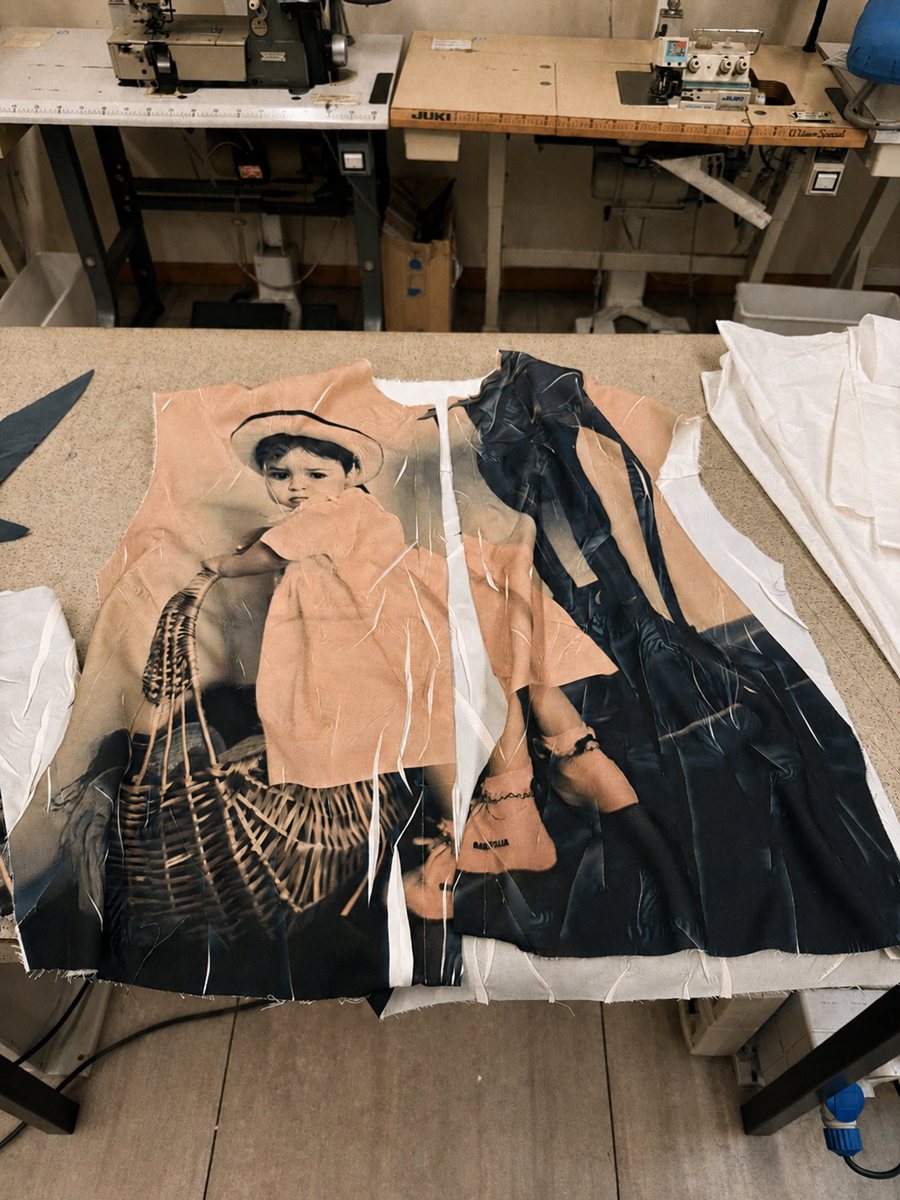
Actually, the biggest difficulties came from within myself. From that cautiousness, from those fears that sometimes paralyse you, constrict you and gnaw away at you from within. But I’ve realised that this is precisely where real growth can happen: when you stop avoiding them and start listening to them. The hardest part was finding a concept that truly resonated with me, one that spoke about me in a sincere and authentic way. I didn’t want to create a collection that was merely beautiful or technically sound. I wanted it to have a voice, a memory, an origin. That’s why I had to look deep within myself, piece together my story, ask myself lots of questions about the past and try to understand the reasons behind certain choices, certain images and certain sensibilities. I believe that my first collection, called ‘Anamnesi Familiare’ (Family History), perfectly encapsulates this journey. It’s only right that this should be the first one, because it tells the story of where it all began: my childhood, my roots, what I’ve been through and the person I’ve become, in part thanks to that story. For me, creativity doesn’t come just from studying or doing external research. Of course, the method is crucial, but there are some things you need to get a feel for before you design them. I think that we can only truly spark the imagination and give free rein to genuine creativity by looking deep within ourselves. At the same time, the technical side of design is of course absolutely crucial. Before I began studying here, I felt almost a sense of helplessness: I would have these big ideas but lacked the tools to bring them to life and that was frustrating. Studying has allowed me to turn that frustration into opportunity, and to bring my imagination ever closer to tangible reality. I know I still have a lot to learn, and perhaps that’s exactly what motivates me the most: I’d like to carry on forever.
What prospects do you see for your professional entry into the world of fashion?
I see my entry into the world of fashion with the same unbridled joy I felt before I became an adult, when everything still seemed possible. But I’m also now very conscious of the knowledge, skills and values that the people I have met during my training have passed on to me. I’d like to enter this world with enthusiasm, but also with the respect that important things deserve. I won’t deny the difficulties: the fashion industry is competitive, complex and always changing. I know that talent and creativity are not enough. You also need lots of discipline, humility, an ability to listen and a constant desire to learn. I feel I still have a long way to go, and that doesn’t scare me; on the contrary, it gives me energy. I’d like to continue to grow, gain experience, learn from the best and also test myself against international standards, whilst never losing touch with my roots. I like to think of fashion as a space for dialogue between cultures, regions, traditions and innovation. This is the direction I would like to take: to help create a fashion that tells stories and reflects identities, without compromising on modernity and sustainability. My greatest commitment will be to create designs that have a soul, that can stir the emotions and tell a story that is true – or even unique – and certainly linked to stories that are rooted in place. I’d like to be able to transform my personal, family and local heritage into a creative language that is recognisable, authentic and deeply my own. In the knowledge that, for me, fashion will never be merely a profession, but a way of observing, interpreting and sharing with the world the wonder that I try to see every day.